
News
Tech
OCTOBER 5, 2026
How to spot fake golf clubs and avoid being scammed
With second-hand sales booming on online marketplaces, counterfeit golf clubs have become surprisingly convincing. Protecting your wallet and your game starts with inspecting a few key details before making a purchase.

By Jim B
Staff Writer
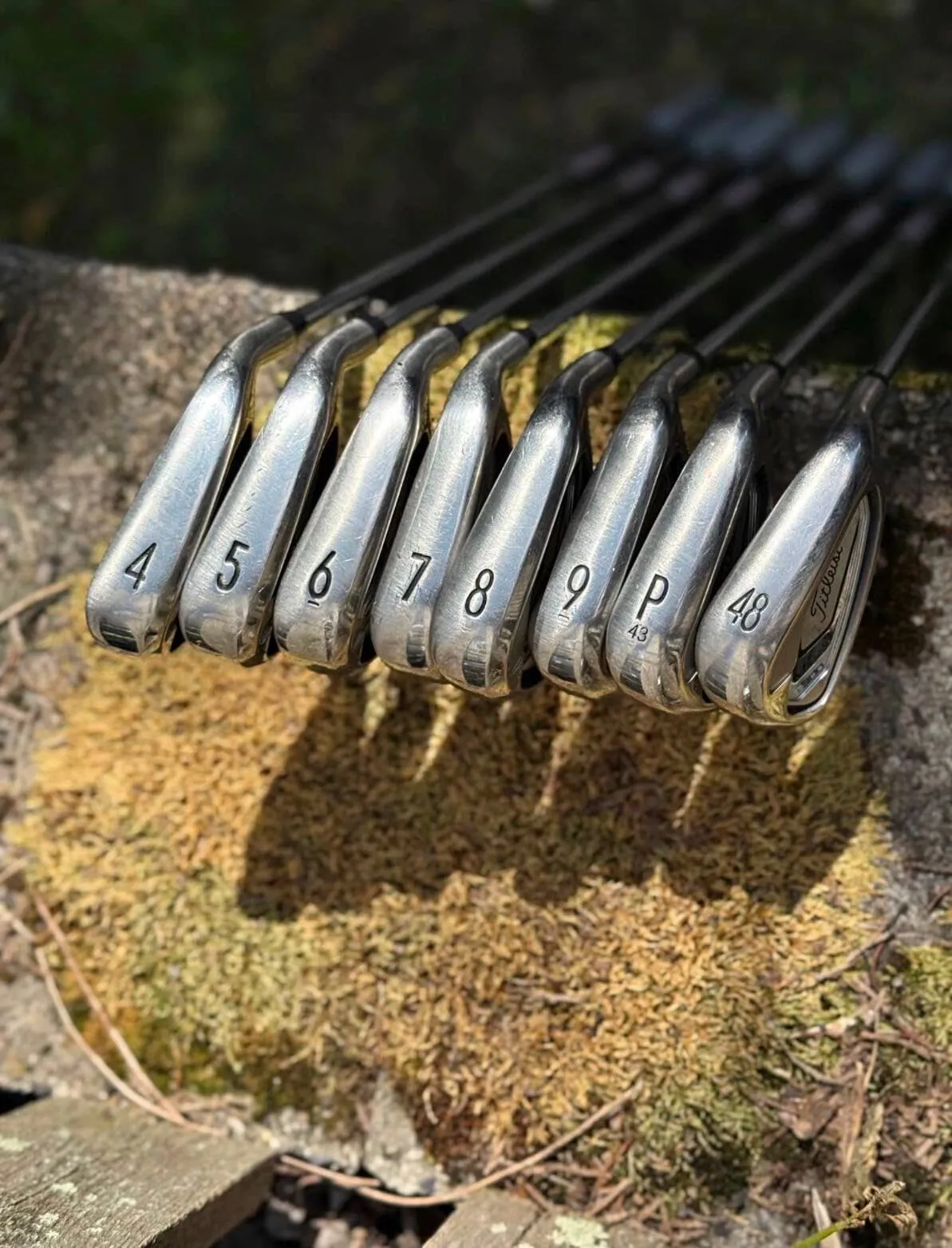
How to Spot Fake Golf Clubs and Avoid Scams
With second-hand sales booming on online marketplaces, counterfeit golf clubs have become surprisingly convincing. Protecting your wallet and your game starts with inspecting a few key details before making a purchase.
- Check Serial Numbers: Authentic clubs feature clear, etched serial numbers on the hosel or clubhead. Verify the number directly with the manufacturer to confirm its authenticity.
- Inspect Logos and Paintwork: Knockoffs often slip up on typography. Look closely at fonts, paint fill, and logo alignment—fakes frequently exhibit slight color variations or misaligned graphics.
- Examine the Grip and Shaft: Counterfeit grips often smell strongly of cheap rubber or feel overly slick. Ensure shaft labels and flex markings match official manufacturer specs.
- Assess Weight and Balance: Fakes use cheap alloy substitutes, making the head or swing weight feel noticeably unbalanced compared to genuine equipment.
- Beware “Too Good to Be True” Deals: If a current-generation driver is listed at a fraction of its retail price, treat it as an immediate red flag.